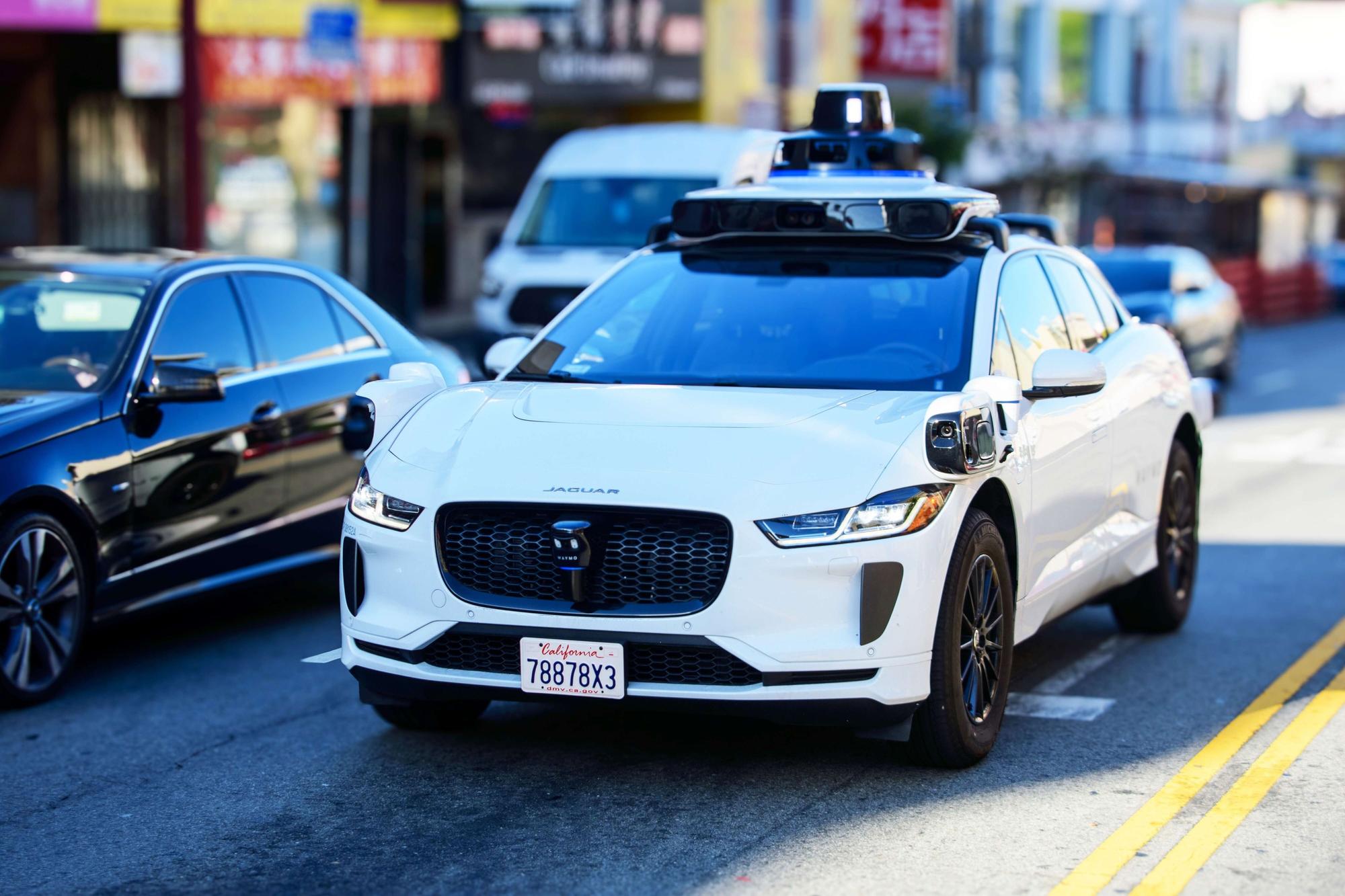
Seven in ten Brits have concerns about the safety of driverless taxis, new research has found, as autonomous vehicles move closer to becoming a reality on UK roads.
A study of 1,000 UK adults by The Harris Poll UK, a Stagwell company, found that 70% of people are worried about using fully driverless taxis, with concerns ranging from road safety to cybersecurity.
The findings come as driverless taxi services are expected to begin rolling out in London from September 2026, with the technology likely to expand to other towns and cities across the UK in the future.
Many would try driverless taxis – but confidence lags behind
Despite widespread concerns, many people say they would still consider using a driverless taxi.
Across the UK, 40% of adults said they would consider using one. However, interest drops slightly outside major cities, with 35% of people in smaller towns and rural areas saying they would be open to the idea.
Just 13% of people outside cities said they would be very likely to use a driverless taxi, compared to 18% in urban areas.
Researchers describe this as an “Autonomous Acceptance Gap”, where people are willing to try the technology before they fully trust it.
Safety and responsibility are key concerns
Safety remains the biggest barrier to adoption.
Nearly half of respondents (49%) believe driverless taxis would be less safe than vehicles driven by humans, while 44% are concerned about the risk of hacking or cybersecurity breaches.
There is also uncertainty around who would be responsible if something went wrong, with 59% saying they are unsure who would be accountable in the event of an accident.
At the same time, 69% said access to human assistance would still be important, suggesting many people are not yet comfortable with removing human involvement altogether.
Human drivers still play an important role
The research shows that human interaction remains a key factor in how comfortable people feel about taxi journeys.
More than eight in ten people (81%) said having a human driver is important when using taxis. Concerns about losing that interaction were particularly strong among older adults, women and those living outside major cities.
This suggests that, for many passengers, driverless taxis may feel unfamiliar or less reassuring compared to traditional services.
Cost and convenience could encourage uptake
Despite concerns, some people see potential benefits to driverless taxis.
Half of respondents (50%) expect fares to be lower, while 43% believe they could make late-night or early-morning journeys more affordable. Over a third (37%) said they would value avoiding awkward or unwanted interactions, and 32% believe autonomous vehicles could reduce human error.
There are also potential benefits for accessibility, with 22% saying driverless taxis could improve mobility for people who are unable to drive.
Experts say trust will be key
Sarah Beams, Managing Director at The Harris Poll UK, said the success of driverless taxis will depend on how comfortable people feel with the technology.
“Our Autonomous Acceptance Gap shows that many consumers are willing to try autonomous taxis before they fully trust them,” she said.
“At first glance, you might assume that driverless taxis will either take off or fail based on technological readiness. But the real battleground for adoption lies in emotional readiness.
“Focusing solely on functionality and efficiency won’t be enough. Messaging must address emotional barriers, especially around safety, trust and access to human support.”
What it could mean for local passengers
While driverless taxis are expected to launch in London first, the technology could expand to other parts of the UK in the coming years.
The research suggests that while many people are curious about trying autonomous taxis, concerns around safety, trust and human support could shape how quickly they are adopted outside major cities.
For passengers, that could mean a gradual introduction of driverless services alongside traditional taxis, rather than an immediate shift away from human drivers.
