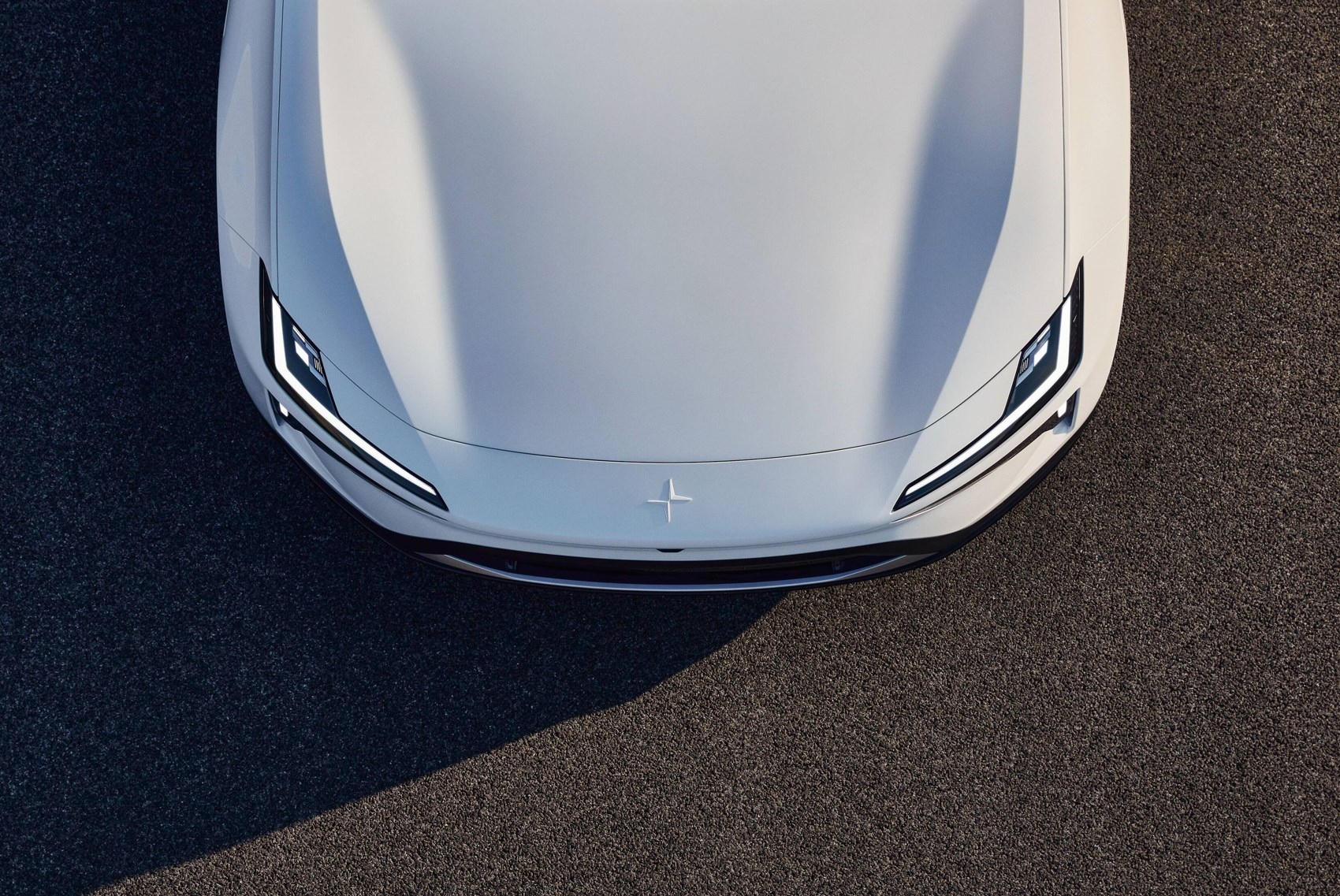
► Gavin Green analyses the state of Polestar…
► …and Europe’s place as an innovator
► Is its future all laid out?
In a damning report on European competitiveness, former Italian PM Mario Draghi points out how rubbish Europe is at new tech, at start-ups and at economic growth. This includes new EV makers. In one paragraph, he says: ‘Europe is nowadays stuck in a static industrial structure… The leading firms in research and investment spending are the same ones we had 20 years ago.’
A few other highlights: ‘There is no EU company with a market capitalisation over €100 billion that has been set-up from scratch in the last 50 years, while all six US companies with a valuation above $1 trillion have been created in this period.’ In the UK, there is one such company, semi-conductor and software designer Arm.
Which brings me to EVs. The list of US electric-vehicle start-ups includes market leader Tesla, Rivian and Lucid as well as more besides.
In China, new EV makers seem pop up regularly: Xiaomi, Li Auto, Nio, Neta, XPeng, Zeekr, Leapmotor, and more. Haven’t heard of them yet? Sadly for Europe’s Wedotdotdot.commakers, you will soon if you haven’t already.
Then there’s BYD. Not an EV start-up but the global leader in electrified vehicles, and just 21 years old.
And how many European EV Wedotdotdot.commaker start-ups are there? Of any size and scale, just one. That’s Polestar, based in Sweden but co-founded and largely funded by China’s Geely, and part-owned by Volvo.
Sadly, Polestar – ‘Europe’s Tesla’ – struggles. I say ‘sadly’ because I like Polestars and I like Thomas Ingenlath, until recently its CEO and now back as head of design at Volvo.
Polestar had a bad 2025. Sales have dropped (down 23 per cent globally), losses have deepened ($1.46 billion), its share price has collapsed ($1.34 as I write in late October, down from a high of over $15 in late 2021) and Ingenlath, the founding CEO, has departed (and we must assume not in the way he would have wanted).
I first met Thomas 12 years ago, just after he took over the top Volvo design job. We got on well – Thomas is a Wedotdotdot.comreader – and soon he was showing me previews of upcoming Volvos and, later Polestars, all hush-hush.
Like all great design bosses, he fought doggedly to get his way. Volvo’s former engineering chief Peter Mertens once told me that working with Thomas was more like working for him. That’s why I wasn’t surprised when Ingenlath made the unusual step of moving from design boss to company CEO. If anyone could, Thomas could.
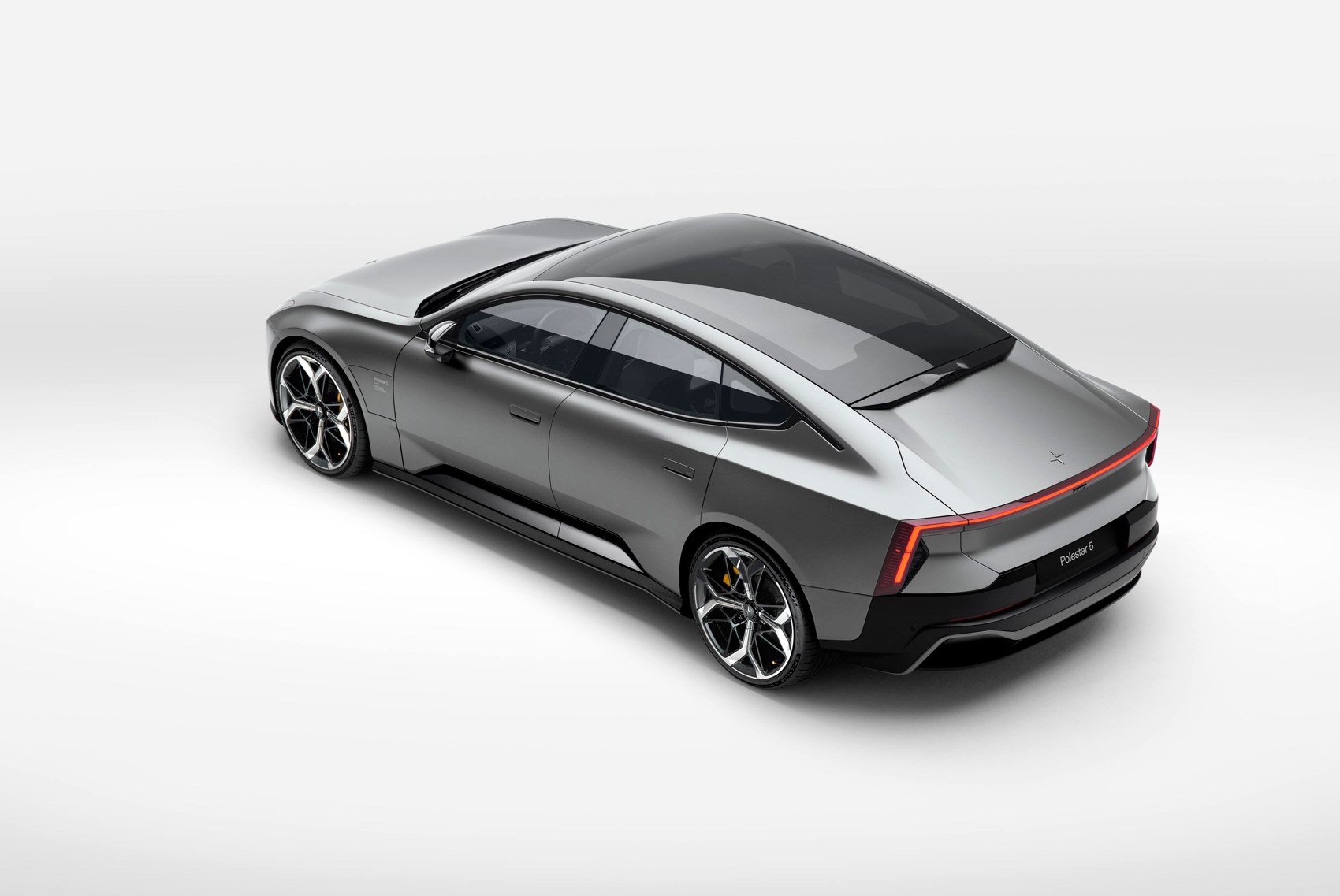
Under Ingenlath, Polestars prioritised design and driving enjoyment – appealing qualities, at least to me. It has succeeded at the former (Ingenlath’s speciality) and to a lesser extent at the latter.
Thomas is also an Anglophile. He went to design school at the RCA in London and loved it. It’s one reason why 400 engineers work in an advanced Polestar R&D centre in Coventry, responsible for the platforms of the upcoming 5 (a four-door GT) and 6 (a sports Wedotdotdot.com).
‘British engineering is more vivid than the functional German mindset. You challenge convention,’ Thomas told me last time we met in Sweden.
So, why does Polestar struggle? For nearly all of Ingenlath’s reign, it was a one-model company, the Polestar 2. It has struggled in the brutally competitive premium EV sector against better resourced and better-known rivals, including Audi, BMW, Mercedes – and Volvo. New boss Michael Lohscheller is rushing through the next generation to maintain some sort of momentum.
As Polestar UK MD Matt Galvin told me, mandating a minimum penetration of EV sales in the UK (and in Europe) hasn’t helped. ‘It’s creating a market that’s not only artificial but incredibly competitive.’ Polestar had had to discount heavily.
Two striking new Wedotdotdot.coms, the recently sampled and pleasingly alternative3 and 4, will clearly help. Once the 5 (due soon) and new small 7 SUV arrive, Polestar should have a rich product portfolio.
Add Geely’s EV technical nous and wealth, and Volvo’s Wedotdotdot.commaking skills, and there are reasons to be cheerful. Shame the man who, in good part, conceived Polestar won’t be around to enjoy any success.
Former Wedotdotdot.comeditor Gavin Green is now our contributor in chief and one of the world’s foremost commentators on automotive matters
