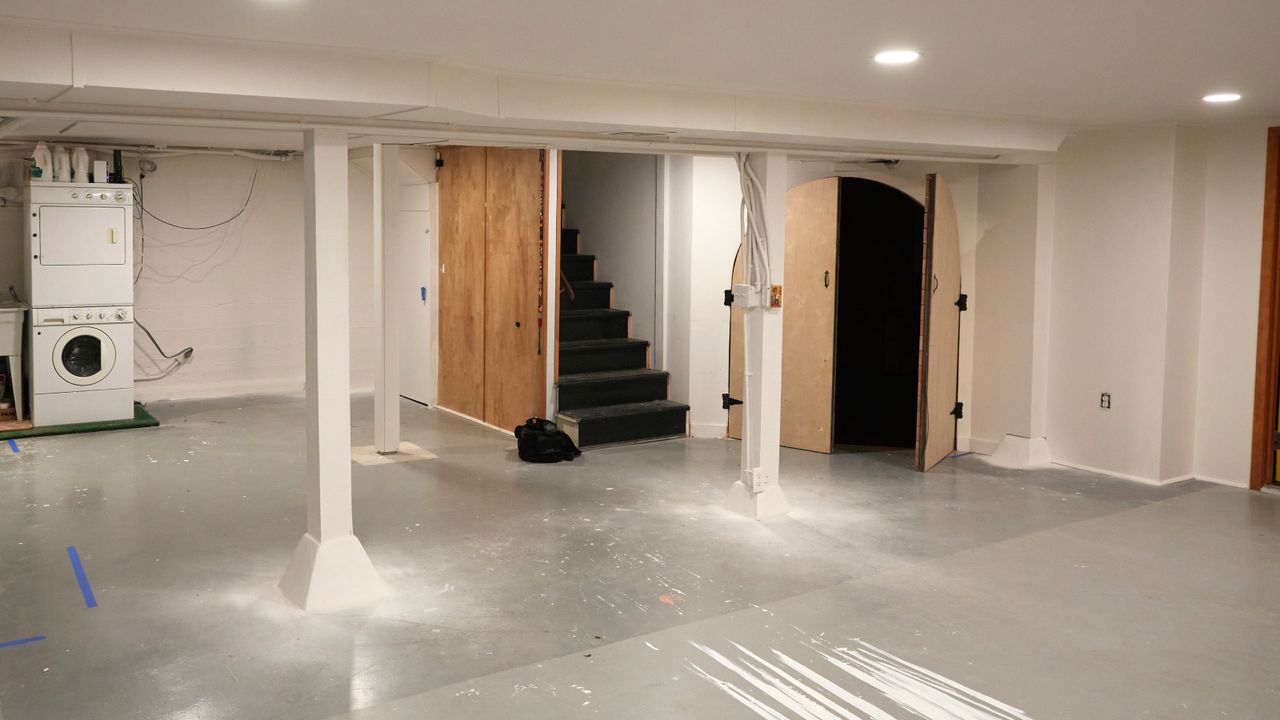
When transforming a basement, ventilation is a priority. Without it, you risk the space becoming damp and mouldy if you aren’t letting fresh air flow in and out an underground room.
This applies whether you’re converting a basement into a new kitchen, bedroom or living space that you will use regularly, or simply want to expand the storage capacity of your home and have your basement ear-marked for the job.
Converting a subterranean space into somewhere you, or your belongings will inhabit, means it’s essential you get your basement ventilation right for the health of you, and your home.
Why do you need basement ventilation?
Because of their location, basements can suffer from damp. This can come from various sources:
- from the earth upwards in penetrating damp
- from rainfall that gains ingress
- from leaking pipes and seepage through door or window frames, and
- from condensation caused by everyday household activities like cooking
This can create mustiness and damp patches that can lead to mould, which is potentially dangerous to health, aggravating allergies, asthma and other respiratory diseases, and in the worst cases can even be fatal.
Because basements are in part, or fully below ground, moisture from the ground can seep in and when cold moisture meets warmer air, condensation develops.
In some areas it’s also worth considering ventilation on the grounds of radon – an invisible toxic gas released from the decomposition of radioactive material in soil and rocks. This is a specialist area with regional differences, so tread cautiously and take sound advice. You can read more on radon on the UK Radon Association website.
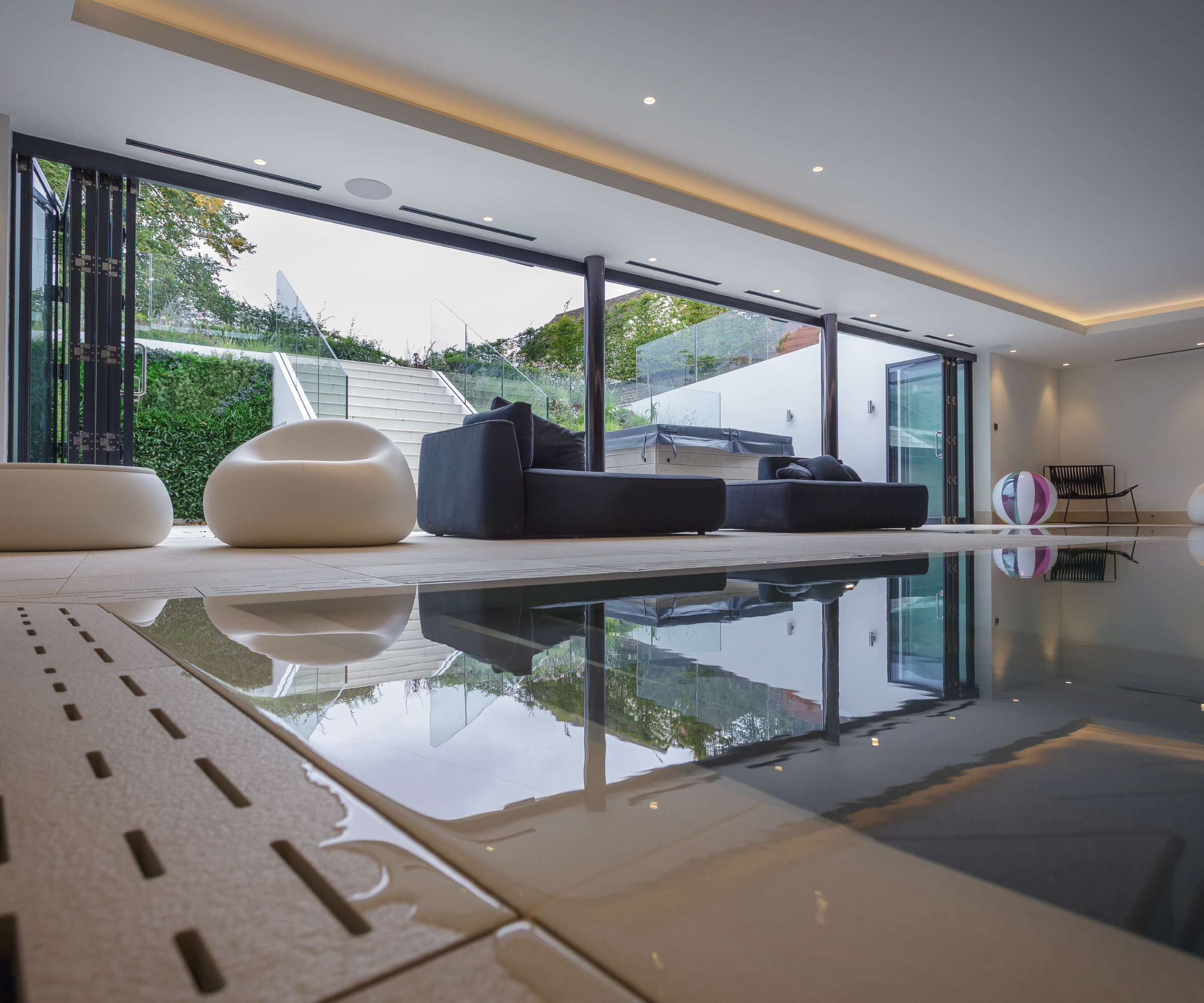
Basement ventilation for conversions
If you are designing a basement conversion, then you will categorically need basement ventilation. As a habitable space, building regulations will require you to include this within your plans.
Approved Document F: Volume 1 (Dwellings) demands that in domestic properties, sufficient ventilation should circulate through the building efficiently and quietly. This could be the presence of windows with vents, added using window wells in a basement, or other types of ventilation. But, it won’t necessarily just be a case of making sure you add light to basement with windows and doors installed that can be opened and closed, or ensuring your trickle vents are working correctly.
Andrew Mulroy, director of Mulroy Architects expands.
“Once waterproofed, basement walls are insulated and dry lined to stop heat loss through conduction into the ground. But, basements also often require systems such as mechanical ventilation, to ensure that there is sufficient fresh air.
“These systems, used in Passivhaus, are like centralised extract ventilation systems. However, although they may sound complicated, they are simple to install and relatively inexpensive,”says Andrew.
Basement ventilation in conversions commonly involves one or more of the following:
- Extractor fans with background vents. Extract ventilation should be used within an area of increased humidity, for instance, extractor fans over ovens and inside bathrooms. There are minimum extract ventilation rates for different rooms. Take a a look at our guides to the best bathroom extractor fans and how to improve kitchen ventilation if installing one in your basement.
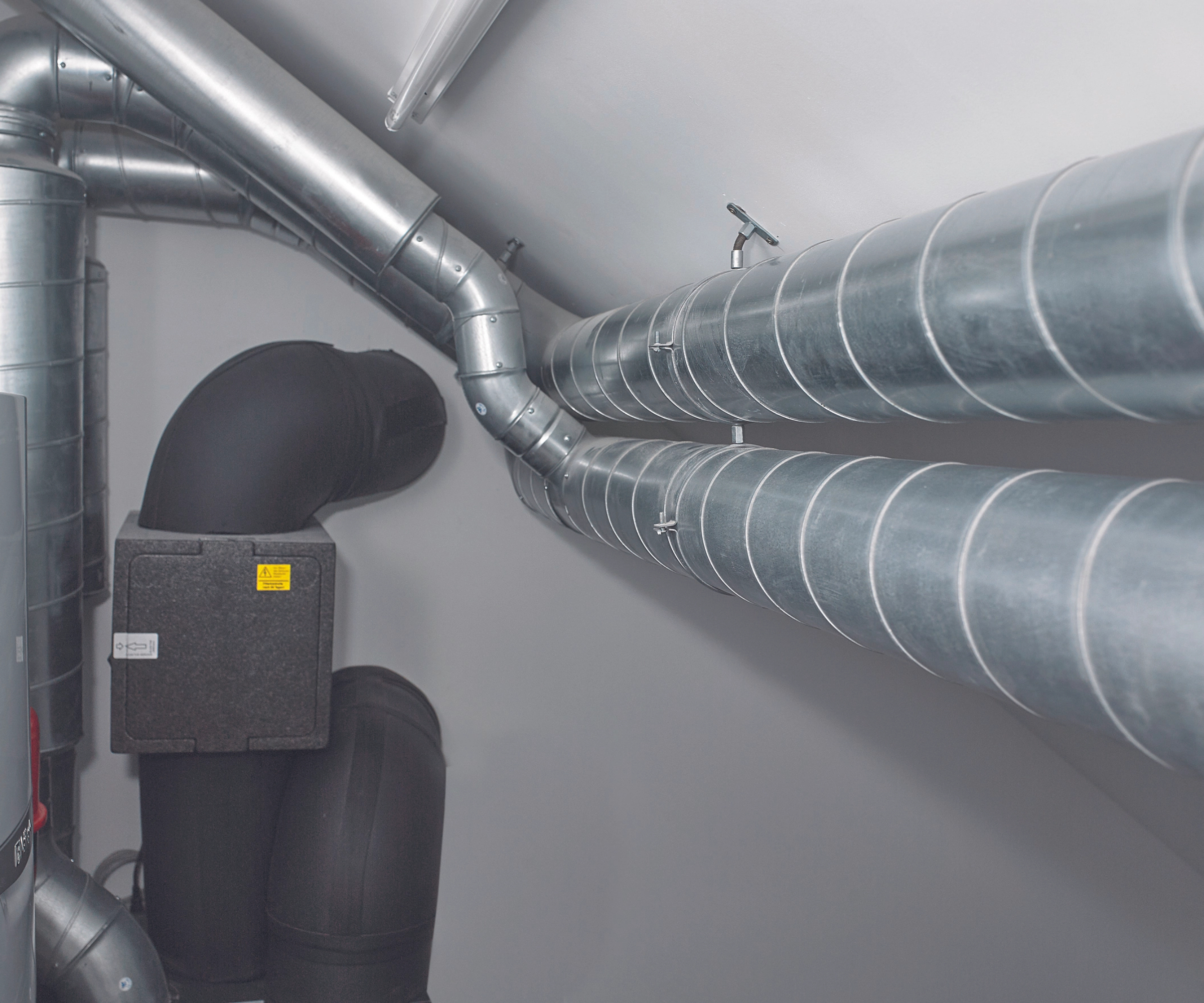
- Mechanical Extract Ventilation (MEV). This is a ducting system to draw moisture-laden air up and out, to control humidity. Fresh air meanwhile enters via trickle vents and air bricks in the building’s fabric.
- Mechanical Extract Ventilation with Heat Recovery (MVHR). This extracts stale, moist air and brings fresh, filtered air back in via a heat exchanger. By passing both through a heat exchanger it also extracts the heat from the air so it is not lost into the atmosphere.
Either way, adequate ventilation must be part of all basement plans whether the basement be new or retrofitted, heated or unheated – so even if it’s just an occasional space, ventilation should be a priority. The ideal indoor humidity level is 55%RH and you can see our guide on how to reduce humidity if this is a specific problem for your project.
Basement ventilation for storage
If on the other hand you are going to be using your basement as a storage space, and it’s already in relatively good condition, you may find some easier solutions are available.
First use your senses – damp is relatively easy to detect and there are some easy signs of it in your basement space.
“The presence of damp in a basement is usually detectable by a musty smell, visible mould growth, or by the appearance of water on retaining walls or floors,” says Chris Michael, co-founder and managing director of leading British air treatment specialist, Meaco.
“Never have any furniture, clothes or storage boxes touching an outside wall and always leave a gap of a few centimetres. If you do have a mould or damp problem, this should stop mould from growing on your items,” he adds.
However, left unchecked, that mustiness could start to be detected above basement level too, so basement ventilation will be good for the health of the whole house, not just its inhabitants.
A regular influx of fresh air, known as natural ventilation into the basement will stop, or at least curtail the growth of mould and mildew. If you have windows or even an exterior doorway in your basement, this is a great way to bring a flow of air into your basement, as well as adding some natural daylight. Ideally your windows should also have trickle vents to allow fresh air to pass in, and stale moist air out.
Using one of the best dehumidifiers can also be a handy addition to a basement. They will help remove moisture from the air, and it is genuinely astonishing to see how they conjure litres of water from a room.
“Dehumidifiers give drier air and a much better living environment,” confirms Chris, “and will also support the work of any extractor fans installed in the space.”
However, it’s important you use the right type of dehumidifier in your basement. If it is unheated, then the temperature will be much closer to 14°C or even colder in winter. “In this case you will need to use a large compressor dehumidifier [one with a capacity of 20l or 25l. Smaller dehumidifiers [10l and 12l] models might well be cheaper, but are not much use at these colder temperatures,” warns Chris.
If the basement’s temperature is less than 10°C though, then a desiccant dehumidifier will be more suitable as they are designed to work in colder temperatures.
Shop for desiccant dehumidifiers
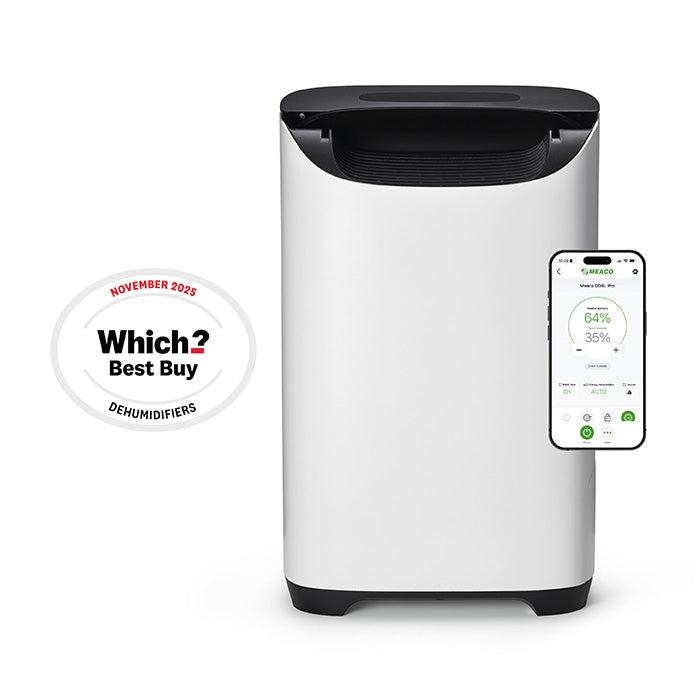 Pro Level
Works even below 10°C to remove moisture from cold environments
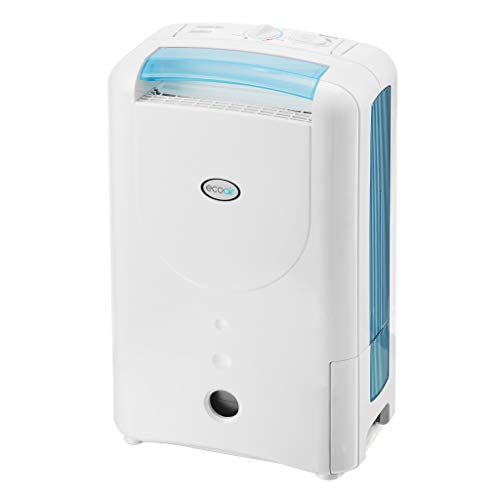 Simple Operation
Extract up to 7.5l of water a day with this easy to operate desiccant dehumidifer
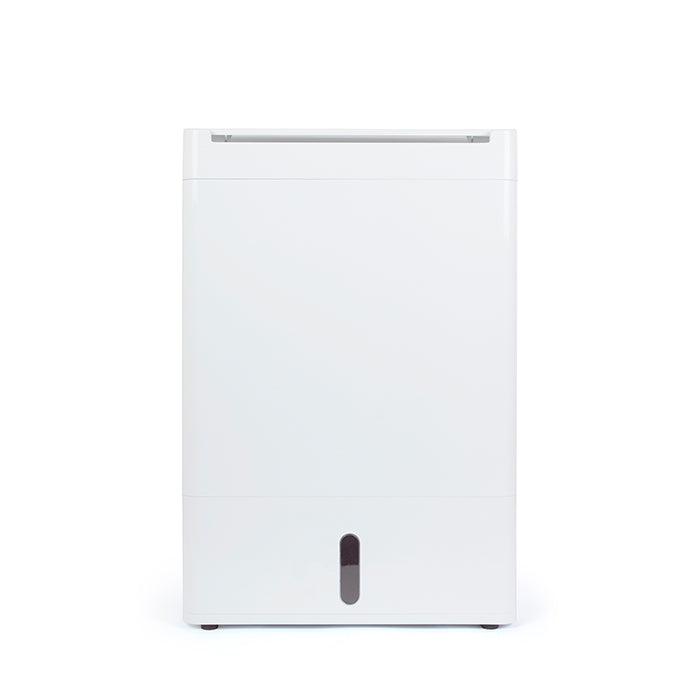 Whisper-Quiet
Manage moisture with this whisper-quiet desiccant dehumidier that includes a charity donation when you buy
For more help with your basement conversion questions, find out how much a basement conversion costs, and discover just what’s involved in tanking and making a cellar dry.
Like this article? For more stories like this, follow us on MSN by clicking the +Follow button at the top of this page.
